Gold has traditionally been considered a valuable asset for investment and financial security. However, fluctuations in the market can influence its appeal among investors and borrowers. A decline in gold prices may appear to be an opportunity for those planning to purchase the metal, but it also raises questions about future price movements and its financial value.
Why Are Gold Prices Falling?
Several global factors influence the gold price in India, including changes in US interest rates, currency movements and investor sentiment. When bond yields increase, investors may prefer interest-generating assets over gold, which does not provide regular income. Similarly, a stronger US dollar can put pressure on international gold demand.
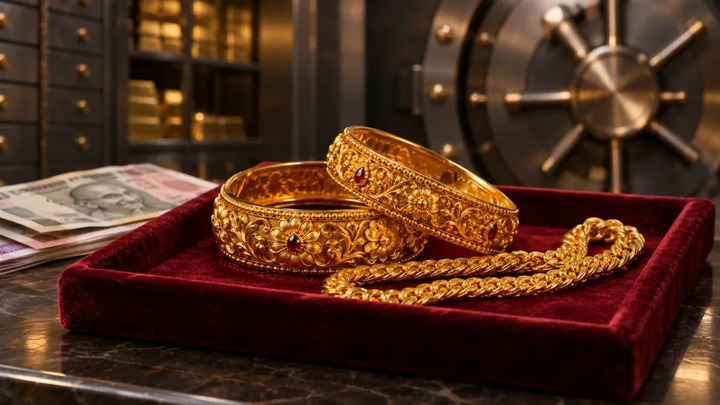
Profit booking is another reason behind falling prices. When gold experiences a significant rally, investors may sell their holdings to secure gains, contributing to a market correction.
Is Falling Gold Price an Opportunity to Invest?
A decline in gold prices can attract investors looking for a suitable entry point. However, lower prices do not automatically mean that gold is undervalued. Its future performance depends on factors such as inflation, central bank purchases, global economic conditions and currency fluctuations.
Investors should consider their financial goals and existing gold holdings before making decisions. Options such as physical gold, Gold Exchange Traded Funds (ETFs) and Sovereign Gold Bonds offer different ways to gain exposure to gold, each with its own costs and limitations.
How Do Falling Gold Prices Affect Gold Loans?
Changes in gold prices also influence borrowers who use their jewellery as collateral. A gold loan is a secured borrowing option in which eligible gold jewellery is pledged against a loan amount.
When gold prices decline, the value of pledged jewellery may decrease, potentially affecting the loan amount available against it. Lenders generally assess the gold's purity, net weight and prevailing market value while determining its eligible loan value.
For existing borrowers, repayment obligations remain governed by the loan agreement, even when market prices fluctuate. Therefore, understanding the applicable interest rate, repayment schedule and loan-to-value ratio is important before borrowing.
Conclusion
Gold price movements influence both investment decisions and borrowing opportunities. Whether purchasing gold or considering a gold loan, individuals should evaluate market conditions, financial requirements and associated costs rather than making decisions based solely on short-term price changes.