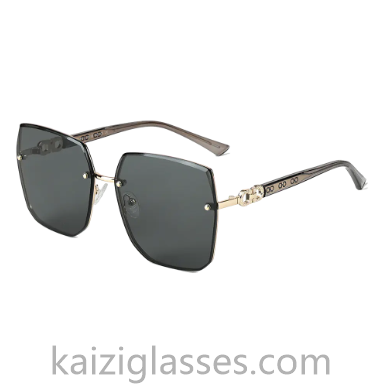
Selecting the right manufacturing partner is an important decision for eyewear brands, optical retailers, and international distributors. A professional Eyeglass Frame Manufacturer plays an important role in transforming product concepts into finished eyewear through material knowledge, production experience, and consistent quality management. Beyond the manufacturing process itself, buyers need to consider design flexibility, communication efficiency, production coordination, and the ability to respond to changing market preferences. These factors influence not only the appearance of an eyewear collection but also its commercial suitability and long-term development potential.
Eyeglass frames are available in numerous materials, shapes, colors, and construction styles. Acetate remains a popular option because it supports a wide range of colors, patterns, and surface finishes. Its versatility allows designers to develop products ranging from understated everyday frames to distinctive fashion-oriented collections. Different acetate compositions and manufacturing techniques can influence frame thickness, texture, and visual depth, making material selection an important part of product development. Buyers should evaluate the intended market positioning before deciding which materials and finishes are appropriate for their collections.
Metal frames offer another important direction for optical product development. Stainless steel, titanium, and other suitable metal materials can provide different combinations of flexibility, appearance, and structural characteristics. Stainless steel is frequently selected for its practical balance of strength and corrosion resistance, while titanium is valued for its lightweight characteristics and suitability for premium eyewear designs. Each material requires appropriate processing methods, surface treatments, and component coordination. Reliable production therefore depends on matching the manufacturing process with the technical requirements of the selected material.
Frame construction also affects product comfort and everyday usability. Important components include hinges, temples, nose pads, rims, bridge structures, and connection points. Their dimensions and assembly accuracy influence how frames fit, open, close, and remain positioned during regular use. A well-developed design considers the relationship between these components instead of treating each part as an independent element. Attention to structural details can help reduce assembly inconsistencies and support a more dependable finished product.
Design development is another consideration for businesses building their own eyewear collections. Different markets may prefer different frame proportions, color combinations, and styling directions. Some customers look for classic rectangular and round shapes, while others prefer geometric silhouettes, transparent finishes, or contemporary oversized designs. Manufacturing partners need to understand these differences and translate visual references into practical production requirements. This process may involve reviewing drawings, evaluating samples, selecting materials, and adjusting details before mass production begins.
For buyers comparing a potential Eyeglass Frame Manufacturer, production quality should be assessed through more than product photography or catalog descriptions. Sample evaluation provides an opportunity to examine surface finishing, hinge movement, frame symmetry, component alignment, and overall assembly. Buyers can also review whether product details remain consistent across different samples and whether manufacturing feedback is clear and practical. A structured sample approval process helps establish expectations before larger orders are confirmed.
Quality management should continue throughout the manufacturing process. Incoming materials need appropriate inspection, while cutting, forming, polishing, assembly, and finishing require suitable process controls. Different frame materials involve different production procedures, so inspection methods should reflect the characteristics of each product. Visual checks can identify surface marks, uneven edges, and finishing defects, while functional checks can assess hinge operation and component stability. Maintaining inspection records also helps businesses communicate requirements and address recurring production concerns.
Supply chain coordination is equally relevant to international eyewear purchasing. Brands and distributors often manage multiple product styles, packaging requirements, labeling details, and delivery schedules. Clear communication about approved samples, product specifications, order quantities, and production milestones can reduce misunderstandings. Buyers should also establish how design changes will be reviewed and confirmed, particularly when modifications affect materials, construction, or finishing methods. Consistent documentation makes cooperation more manageable as product collections expand.
Market positioning should guide purchasing decisions as well. Entry-level collections may prioritize practical construction and accessible materials, whereas premium ranges may require more specialized materials, refined finishes, and distinctive design details. Retail channels, customer demographics, and regional preferences all influence which products are commercially appropriate. Businesses can develop a balanced assortment by combining timeless frame styles with selected seasonal designs rather than relying entirely on short-lived fashion trends.
Packaging and presentation deserve attention because they contribute to the overall customer experience. Protective cases, cleaning cloths, labels, and other accessories may be selected according to brand identity and distribution requirements. Buyers should communicate packaging expectations early so that these details can be coordinated with the finished products. For businesses selling through different retail channels, packaging consistency can also support product recognition and inventory organization.
As eyewear collections continue to diversify, manufacturers and buyers benefit from maintaining an ongoing exchange of market information. Feedback from optical professionals and end customers can reveal opportunities to improve frame proportions, material choices, color selections, and product usability. A manufacturing relationship built around clear specifications, realistic development schedules, and regular communication provides a practical foundation for future collections. Businesses exploring optical frame production can review the product range and manufacturing direction at https://www.kaiziglasses.com/product/ when evaluating suitable solutions for their market requirements.